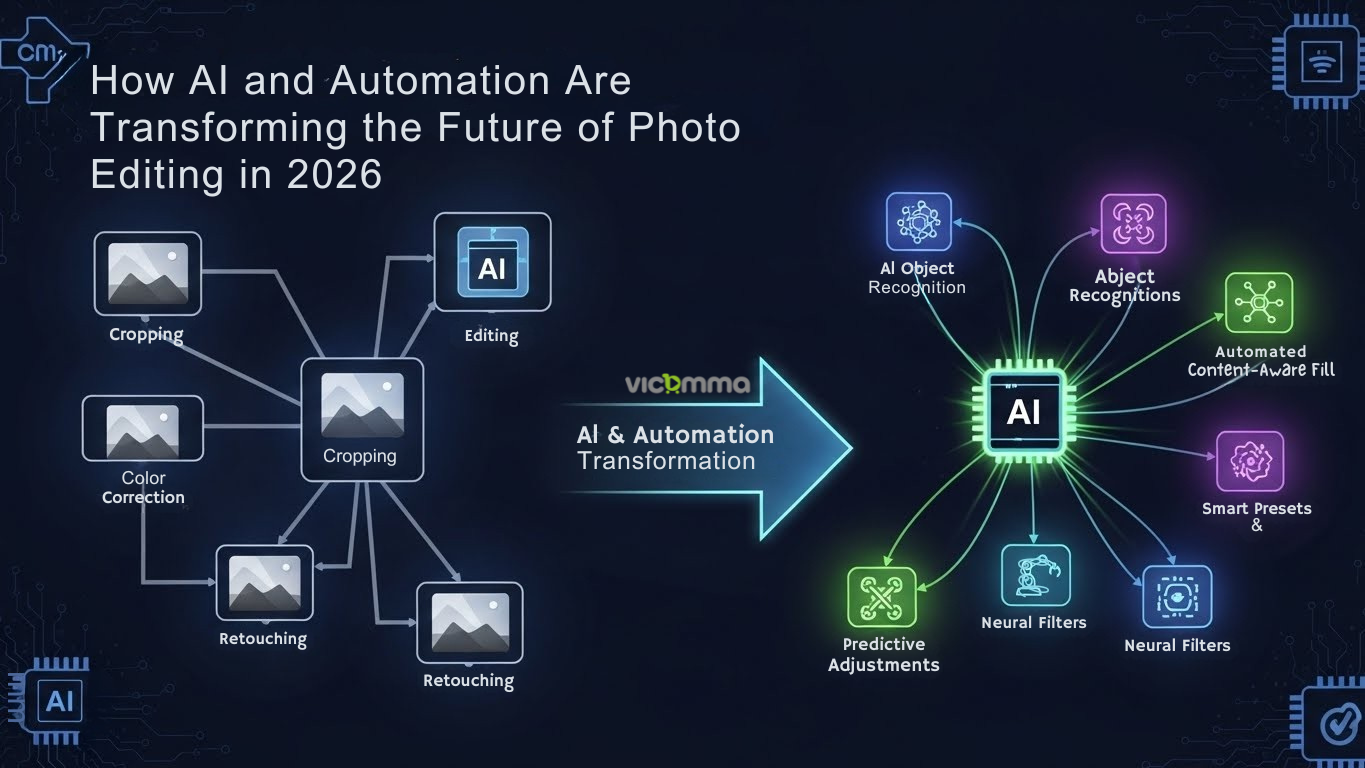
In 2026, photo editing is no longer just about sharpening colors or cropping images. Today, cutting-edge AI tools and advanced automation systems have redefined the way images are enhanced, optimized, and personalized. From instant background removal to AI-powered enhancements, photo retouching services editing is evolving in ways that enable professionals and hobbyists alike to create stunning visuals faster and more efficiently than ever before.
As businesses, content creators, and marketers race to stay ahead of the curve, understanding how AI-driven photo editing tools can elevate your content strategy is essential.
In this blog, we dive into the latest technological trends shaping the future of photo editing, and why human expertise still remains indispensable in the creative process.
AI-Power Enhancements The New Standard for Photo Editing
For years, photo editing was a tedious, manual process. But in 2026, AI-driven tools have become the backbone of modern editing workflows, allowing for powerful yet efficient photo enhancement in just a few clicks.
AI Can:
-
Automatically adjust lighting, contrast, and exposure for more professional-looking photos
-
Identify and enhance key elements like eyes or hair, creating a polished effect
-
Remove imperfections such as wrinkles, blemishes, or unwanted distractions
While these automated processes are revolutionizing speed and precision, they still require a human touch to ensure the final product aligns with the creator's artistic vision and brand identity.
Real-Time Background Removal and Object Isolation
One of the standout features of modern photo editing is the ability to automatically remove backgrounds and isolate objects in seconds. Previously, these tasks could take hours to achieve the right look, but now they can be done with just a few clicks.
Tech Breakthroughs:
-
AI-powered tools like remove.bg or Photoshop’s “Select Subject” feature are able to distinguish between intricate foreground details (such as hair) and the background, making background removal seamless and fast.
-
With deep learning models, these tools now offer higher accuracy, making the process less time-consuming and more intuitive.
This development is perfect for businesses that require consistent, high-quality imagery across digital ads, e-commerce platforms, or social media campaigns.
Personalized Editing with AI
AI is not only about enhancing visuals but also about customizing them to fit specific target audiences. In 2026, AI can analyze demographic and psychographic data and make adjustments to images based on user preferences.
How It Works:
-
AI can suggest edits that resonate with a specific audience, adjusting color schemes, visual styles, or image compositions to better engage certain demographics.
-
The ability to personalize content based on user preferences is being integrated into platforms like Instagram and Facebook, where advertisers and creators can now generate images that cater to different user groups.
This move toward personalization helps brands maintain a competitive edge by crafting visuals that feel unique and highly relevant.
Collaborative Tools for Creative Teams AI Meets Human Vision
While AI makes editing faster and more efficient, creativity and strategy still require a personal touch. Photo editors are now utilizing collaborative platforms to work with clients, marketing teams, and graphic designers, ensuring that the creative direction and branding are consistent across all visual assets.
What’s Changing:
-
Platforms like Figma, Adobe XD, and Canva integrate real-time collaboration, allowing multiple team members to edit and adjust images together. These tools allow for instant feedback and iteration, drastically improving workflow efficiency.
-
Designers can blend AI tools with manual adjustments, ensuring that the creative vision is maintained while leveraging AI for speed and precision.
While AI-driven tools can provide automated fixes, human creativity ensures that the image reflects the right narrative, tone, and message for the audience.
The Ethical and Creative Challenges of AI in Photo Editing

With AI playing an increasingly important role in photo editing, there are rising concerns about authenticity and ethics in visual content creation. It’s important for brands and creators to ensure that their visuals reflect truthful representations while still using AI for efficiency.
Challenges in AI Editing:
-
Over-reliance on automation could result in images that feel unnatural or over-polished, which could lead to a disconnect with audiences.
-
Ethical concerns surrounding misuse of AI in creating unrealistic beauty standards, misleading representations, or manipulating images for malicious purposes.
As AI tools continue to evolve, the importance of working with skilled photo editors who can make thoughtful decisions about which edits to apply becomes even clearer.
If you're looking to strike the perfect balance between efficiency and creativity, collaborating with photo experts can help ensure your visual content maintains its authenticity.
AI vs Human Creativity in Photo Editing (2026):
| Photo Editing Task | What AI Can Do | Where Human Creativity Is Essential |
|---|---|---|
| Enhancing Details | Automatically adjust lighting, contrast, exposure, and fix imperfections | Artistic touch to maintain brand identity, emotional tone, and style consistency |
| Background Removal | Automatically isolate objects, remove backgrounds with deep learning accuracy | Final adjustments to ensure seamless blending with the original composition |
| Personalized Edits | Analyze audience data to adjust visuals for targeted demographics | Ensure the edits align with the creator's vision and the brand's narrative |
| Creative Collaboration | Integrate real-time feedback, automate edits, and streamline workflow | Maintain overall creative direction, make strategic decisions based on the brand's goals |
| Ethics and Authenticity | Provide tools to manipulate images for desired outcomes | Ensure that final content stays authentic, truthful, and aligns with ethical standards |
Conclusion
AI-powered tools are revolutionizing the way images are edited, from background removal to personalized enhancements. However, human expertise remains vital for bringing true creativity, strategic insight, and emotional impact to your visuals. By blending AI efficiency with human vision, businesses, photographers, and content creators can produce stunning, personalized images faster than ever. The key to staying ahead in the evolving landscape of photo editing is ensuring you combine the power of technology with the irreplaceable touch of creativity.