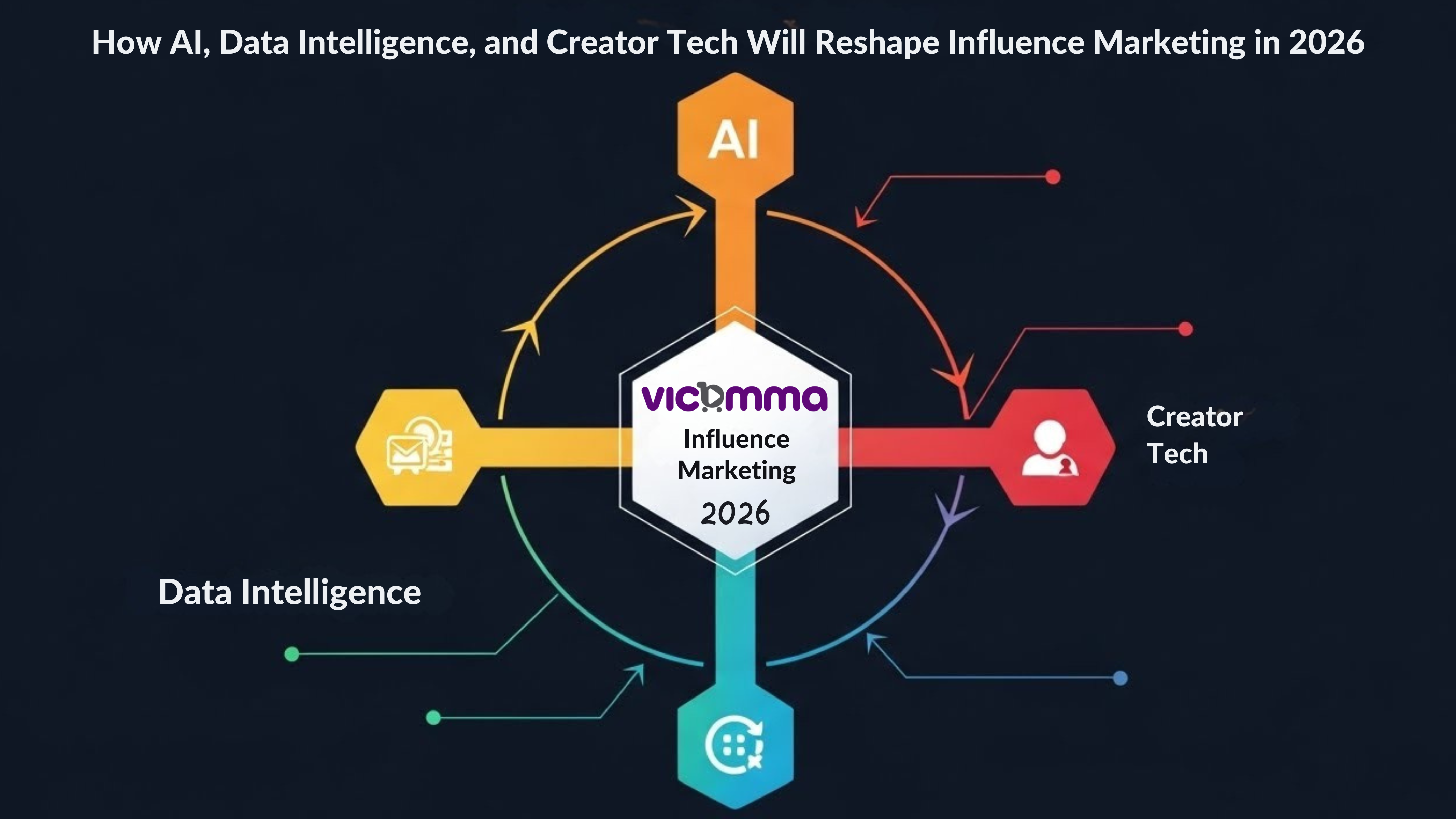
Imagine scrolling through your feed and stumbling on a video that feels so real, so relatable, that you end up buying the product without a second thought. That’s the magic of influencer marketing today but in 2026, it’s about to get a serious upgrade. Brands aren’t just throwing money at big-name creators anymore. They’re using smart tech to find the right voices, crunch numbers to prove what works, and give creators better tools to shine. Campaigns that feel genuine, hit harder, and actually move the needle on sales.
I’ve been watching this space closely, and it’s exciting to see how AI, data intelligence, and creator tech are teaming up to change the game. This post dives deep into what’s coming next year. We’ll look at how these tools are making influencer marketing more precise, more creative, and yes, more human in a world that’s getting flooded with automated content. By the end, you’ll have a clear picture of why 2026 could be the year influencer marketing finally grows up.
The Current State of Influencer Marketing
Influencer marketing isn’t new, but it’s bigger than ever. The market hit around $33 billion in 2025, and budgets keep climbing. Brands love it because real people trust real people more than ads. But here’s the catch: not every campaign delivers. Too many brands chase followers instead of fit, and measuring real impact has always been tricky. That’s where the big changes are coming from.
In 2026, the focus shifts from spray-and-pray posts to strategies backed by tech. AI helps find creators who truly connect with your audience. Data shows exactly what drives sales. And new tools let creators produce better content faster. It’s less about luck and more about smart choices.
| Key AI and Creator Tools Shaping 2026 | What They Do Best |
|---|---|
| Predictive matching platforms (e.g., advanced versions of CreatorIQ, Upfluence) | Find creators likely to drive real sales |
| Content velocity tools (TikTok Symphony, CapCut AI features) | Automate editing, scripting, and multi-platform versions |
| Real-time analytics dashboards | Track conversions and optimize on the fly |
| Affiliate and commerce integrations (LTK, Amazon Inspire) | Tie content directly to revenue |
| Workflow automation (contracting, payments) | Cut admin time so everyone focuses on creativity |
AI Takes Center Stage in Finding the Perfect Creators
Finding the right influencer used to feel like dating you swiped through profiles hoping for a match. Now, AI does the heavy lifting, and it’s scarily good at it.
Advanced platforms scan millions of creators in seconds. They look at audience overlap, past performance, tone of voice, even whether followers are real. Tools predict how well a creator might convert sales for your brand, not just rack up likes. Think of it as a super-smart matchmaker that saves you from awkward first dates.
What’s new in 2026, Predictive matching is getting sharper. AI doesn’t just look backward at what worked; it forecasts outcomes. Brands can test scenarios before spending a dime. And unlike some overhyped trends, this isn’t replacing human judgment it’s giving marketers superpowers.
Data Intelligence Turning Gut Feelings into Hard Facts
Data has always been part of marketing, but in 2026, it’s the backbone of influencer campaigns.
Better tracking means brands finally know the true ROI. Affiliate links, promo codes, and pixel tracking tie creator content straight to revenue. No more guessing if that post led to sales. Real-time dashboards show engagement, conversions, even customer lifetime value.
This shift makes influencer marketing compete with paid ads on equal footing. Brands see creator-led content delivering two to four times higher click-through rates than traditional ads. Data also spots patterns like which video hooks work best or the perfect posting time. It’s like having a crystal ball, but one built on actual numbers.
Creator Tech Giving Influencers Tools to Thrive
Creators aren’t just faces anymore; many run full businesses. The tech catching up to them is one of the most exciting parts of 2026.
AI-powered editing suites handle scripting, captions, thumbnails, even voice-overs. Platforms like TikTok’s Symphony or similar tools let creators churn out polished content in hours instead of days. Generative AI helps brainstorm ideas or create variations for different platforms.
But it’s not just about speed. These tools free creators to focus on what they do best connecting with people. A creator with 50,000 followers can now produce like a small studio. That levels the playing field and floods the market with higher-quality content.
The Move Toward Long-Term Partnerships and Real Authenticity
They’re losing steam. In 2026, brands build lasting relationships think ambassador programs that span a year or more.
Why? Data proves ongoing partnerships perform better. Audiences trust familiar faces. Creators who genuinely love a brand sell it naturally. Plus, long-term deals let creators give real input, sometimes even co-creating products.
This feels more authentic in a world wary of AI slop. People crave real connections, and sustained partnerships deliver that. Brands treating creators as true partners not just ad space win loyalty on both sides.
Virtual Influencers Cool Tech or Passing Fad
Virtual influencers grabbed headlines a few years back, but 2026 brings a reality check.
Pure AI creators face pushback. Audiences often spot the fakeness and reject it. Some campaigns even sparked backlash when brands tried passing off AI content as real. But hybrid models where humans “pilot” virtual characters are gaining ground. They offer control while keeping some human spark.
Most experts agree virtual influencers won’t replace humans anytime soon. They’re niche tools for specific campaigns, like fashion or gaming. Real creators still win on trust and relatability.
Social Commerce and Measuring What Really Matters
Social platforms become full shopping destinations in 2026. TikTok Shop, Instagram checkout, YouTube shopping creators drive discovery straight to purchase.
Creator content paired with instant buy buttons shortens the funnel dramatically. Performance metrics shift to hard outcomes: cost per acquisition, return on ad spend, repeat purchases. Brands favor creators who move product, not just rack up views.
Paid amplification becomes standard too. Organic reach keeps dropping, so smart brands boost creator posts with targeted ads. The combo often outperforms anything else.
| Traditional Influencer Marketing (Pre-2025): | 2026 Influencer Marketing with AI, Data, and Creator Tech: |
|---|---|
| One-off sponsored posts | Long-term ambassador partnerships |
| Focus on follower count and reach | Emphasis on audience fit, authenticity, and conversions |
| Vanity metrics like likes and views | Hard ROI: sales, ROAS, customer lifetime value |
| Manual creator discovery | AI-powered predictive matching |
| Slow content production | AI-assisted rapid creation and versioning |
| Organic reach primary | Paid amplification standard |
| Limited platform shopping | Seamless social commerce integration |
Challenges Ahead and How Brands Can Stay Ahead
Nothing’s perfect. AI raises worries about job loss (it won’t replace great marketers, but it’ll make mediocre ones obsolete sorry, not sorry). Transparency around AI-generated content becomes mandatory in more places. And standing out gets harder with more content flooding feeds.
Lean into humanity. Host real-life events. Double down on micro influencers creators who feel like friends. Use tech to enhance, not replace, genuine stories.
Brands that treat creators as partners, use data ethically, and keep authenticity first will thrive.
FAQs
Will AI completely take over influencer marketing in 2026?
No way. AI handles the grunt work matching, analytics, editing but the human connection stays irreplaceable. People buy from people they trust, not algorithms.
Are virtual influencers worth trying?
For most brands, stick with real creators. Virtual ones work in specific niches, but audience trust still favors humans. Try hybrids if you’re feeling experimental.
How do small brands compete in this new landscape?
Focus on micro and nano creators they’re affordable and deliver sky-high engagement. Use free or low-cost AI tools to punch above your weight.
What’s the biggest opportunity in 2026?
Social commerce powered by authentic creator content. If you can turn discovery into instant sales while keeping it real, you’re golden.
How much should brands budget for influencer marketing?
It varies, but many successful brands allocate 20-30% of digital spend here. Start small, measure everything, and scale what works.
Wrapping It Up
2026 feels like the year influencer marketing hits its stride. AI makes it smarter, data makes it accountable, and creator tech makes it more creative. But the heart remains the same: real connections between real people.
Brands that embrace these tools while keeping authenticity front and center will build lasting loyalty. Those who chase shiny tech without substance? They’ll get left behind.
If you’re a marketer or creator reading this, get excited. The tools are better, the insights are sharper, and the opportunities are huge. Here’s to a year of smarter, more human influencer marketing.