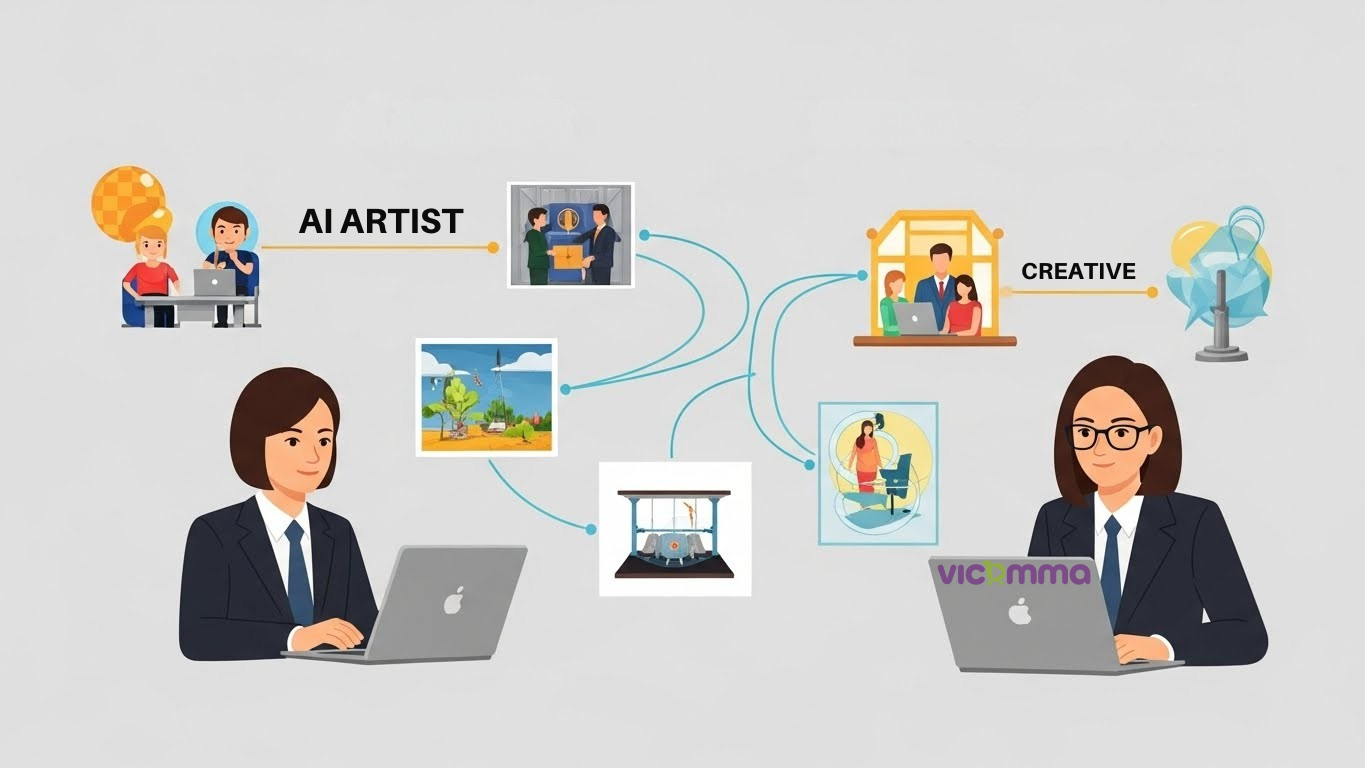
In the year 2026, the creative world as we know it is undergoing a dramatic transformation. Artists and creators are no longer limited by the traditional tools and materials that have been the bedrock of art for centuries. Instead, artificial intelligence (AI) has emerged as a powerful ally in the artistic process, reshaping how we create, experience, and interpret art. Whether it's generating visually stunning artwork, composing music, or crafting engaging stories, AI is revolutionizing the creative landscape in ways we never thought possible. In this blog post, we'll dive deep into how AI is shaping the future of art and what that means for artists, art lovers, and the art world at large.
The Rise of AI in Art
Artificial intelligence has long been associated with the fields of technology and science. However, over the past decade, AI has begun to make its mark in the creative world. From algorithms that generate music to deep learning networks that create artwork, AI is helping artists push the boundaries of what is possible. By 2026, AI tools have become more accessible, sophisticated, and integrated into the creative workflow, allowing artists to experiment in ways they never could before.
But what makes AI so special in the context of art? Simply put, AI can process vast amounts of data and learn from it, creating new and unique outputs. In the past, creativity was thought to be an exclusively human trait something that relied on intuition, emotion, and experience. Today, AI is challenging that notion by generating content that is both innovative and thought-provoking. As a result, ai art for creative work are embracing AI not as a replacement for human creativity but as a tool that expands their possibilities.
AI-Generated Art A Canvas of Possibilities
One of the most exciting developments in AI art is the creation of visual art by machines. Using machine learning algorithms, AI programs can analyze existing artworks and then generate new pieces based on learned patterns. Programs like DeepArt and DALL-E have gained attention for their ability to create artwork that mimics the styles of famous artists like Van Gogh, Picasso, and Monet, all while introducing new and original concepts.
In 2026, the possibilities of AI-generated visual art are more expansive than ever. Artists can use AI tools to experiment with different art styles, genres, and themes, creating compositions that blend human intuition with machine-generated patterns. For example, AI can help artists explore abstract concepts, simulate various textures, and produce vibrant colors that might be difficult to achieve manually. The fusion of human creativity and AI capabilities allows for a new wave of art that is dynamic, diverse, and deeply imaginative.
AI in Music Composing the Future
Just as AI is revolutionizing visual art, it's also making waves in the world of music. AI-powered programs are now able to compose original pieces of music, analyze melodies, and even replicate the styles of renowned composers. By studying patterns in sound, rhythm, and harmony, AI can generate music that resonates with audiences in ways that feel both familiar and fresh.
By 2026, musicians are using AI tools to augment their creative process, whether by generating new compositions, producing experimental sounds, or remixing existing tracks. AI can assist in everything from writing lyrics to mastering audio, allowing musicians to focus more on the artistic side of creation while leaving the technical work to the machine. In fact, some artists are already using AI to collaborate on music, blending human vocals with machine-created beats to produce tracks that would have been impossible just a few years ago.
AI and Storytelling Crafting New Narratives
Storytelling has always been a central part of the human experience. Whether in literature, film, or video games, stories allow us to connect with each other, share ideas, and explore different perspectives. But now, AI is entering the realm of storytelling, with algorithms that can write scripts, generate plots, and even create entire novels.
AI-generated narratives are becoming increasingly sophisticated in 2026, capable of weaving complex plots, creating multi-dimensional characters, and even generating dialogue that feels natural and engaging. Writers can use AI tools to overcome writer’s block, generate story ideas, and explore new directions for their narratives. AI’s ability to analyze vast amounts of text allows it to understand structure, pacing, and tone, making it an invaluable resource for content creators.
Some AI programs have even begun to produce interactive storytelling experiences, where the narrative evolves based on the reader’s choices. This is opening up new opportunities in the world of video games and interactive media, creating personalized experiences for users and blurring the line between fiction and reality.
The Ethical Implications of AI in Art

As AI becomes more embedded in the creative process, questions about authorship and originality have arisen. If a machine generates a piece of artwork, who owns it? Is it the artist who used the AI tool, or is it the machine itself, These questions are sparking debates about intellectual property rights, with some arguing that AI-created art should belong to the person who developed the algorithm, while others believe it should be attributed to the AI itself.
Furthermore, there are concerns about AI’s potential to replace human artists. While AI can assist with creativity, many argue that it cannot replace the emotional depth and personal experiences that human artists bring to their work. As AI continues to evolve, it’s likely that these ethical debates will intensify, forcing society to reconsider how we define art and the role of human creativity in the digital age.
The Democratization of Art AI for Everyone
One of the most exciting aspects of AI in art is its ability to democratize creativity. In the past, becoming an artist required extensive training, access to expensive materials, and years of practice. But now, with AI tools becoming more affordable and user-friendly, anyone with a computer or smartphone can create art. This shift is breaking down barriers and making artistic expression accessible to people of all skill levels and backgrounds.
Whether you're an aspiring creative artist, a hobbyist, or someone who simply enjoys creating for fun, AI provides an easy and powerful way to explore your creative potential. This democratization of art is leading to an explosion of creativity and new ideas, as people from all over the world use AI to express themselves in unique ways.
AI Enhanced Art Galleries and Museums
As AI-generated art becomes more common, the way we experience and interact with art is also evolving. AI tools are helping to curate art galleries and museums in innovative ways. For instance, AI can analyze visitor preferences, recommend artworks, and even create personalized virtual tours. In 2026, museums are using AI to provide dynamic and engaging experiences, allowing visitors to explore art in new and exciting ways.
In some museums, AI is even being used to restore and preserve artwork. By analyzing old paintings and sculptures, AI can predict how they may have looked in their original state and help to digitally recreate damaged pieces. This technology is also enabling museums to create virtual exhibits, allowing people to experience art from anywhere in the world.
FAQs
How is AI transforming the role of artists?
AI is helping artists by providing new tools and techniques that allow them to push the boundaries of creativity. It’s not replacing human artists, but rather enhancing their abilities and opening up new possibilities.
Will AI replace human artists in the future?
No, AI is not likely to replace human artists. While it can assist in the creative process, it lacks the emotional depth, personal experience, and unique perspective that human artists bring to their work.
Can AI create original art?
Yes, AI can create original art. By learning from existing artworks, AI can generate new pieces that are innovative and unique, blending human creativity with machine-generated patterns.
How is AI impacting the music industry?
AI is changing the music industry by helping musicians compose, produce, and remix music. It allows for new styles and experimental sounds, providing musicians with more creative freedom.
What are the ethical concerns surrounding AI in art?
Ethical concerns include questions about authorship and ownership of AI-generated art, as well as worries about AI replacing human artists. These debates are ongoing as AI continues to play a larger role in the creative world.
By 2026, AI is transforming the creative landscape in ways that were once unimaginable. Artists are using AI to create stunning works of art, compose music, and craft engaging stories. The future of art is not about replacing human creativity, but about enhancing it and expanding what is possible. As AI continues to evolve, so too will the ways in which we experience and create art, ushering in an exciting new era of creativity.